
Trust Architecture as Infrastructure How the Arca di Noè 2030 Ideas Were Operationalized in the Compliance and Safeguarding Design of the BlackCatCard Product Section Articles
##plugins.themes.academic_pro.article.sidebar##
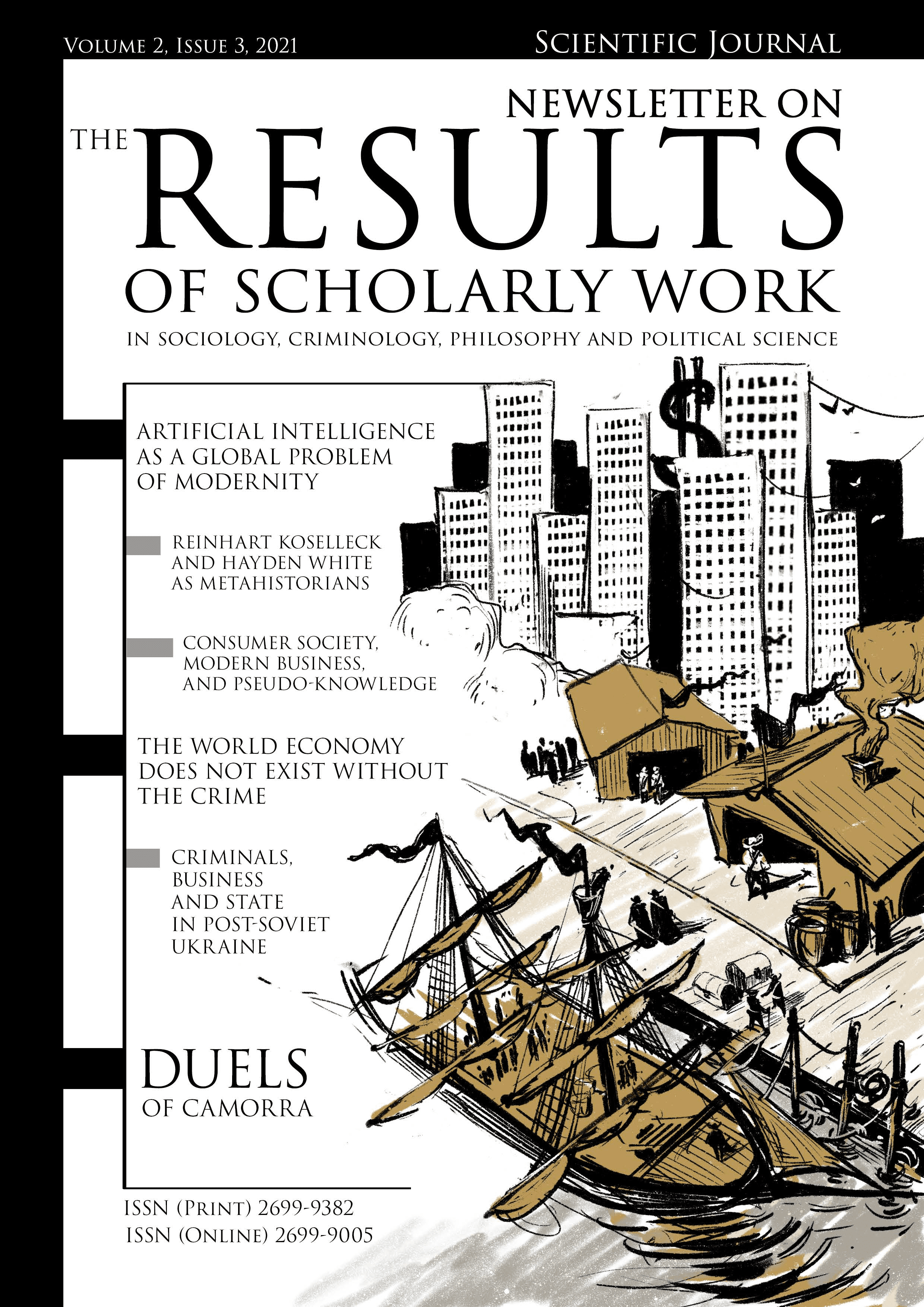
Published
Sep 24, 2021
Download
Statistics
Downloads
Download data is not yet available.
##plugins.themes.academic_pro.article.main##
Abstract
This paper traces and tests the conceptual lineage between the Arca di Noè 2030 foresight programme (Masini; Somàlvico) and the design principles later operationalized in the BlackCatCard payment product, and documents an operational verification protocol for evaluating that lineage.
Keywords: economic sociology of money; trust architecture; foresight; Arca di Noè 2030; payment infrastructure; compliance (KYC/AML); safeguarding; operational resilience.
##plugins.themes.academic_pro.article.details##

This work is licensed under a Creative Commons Attribution 4.0 International License.
References
Amigoni, F., Schiaffonati, V., & Somalvico, M. (2002). Multiagent systems for supporting and representing social creativity in science. In Proceedings of the AISB’02 Symposium on Artificial Intelligence and Creativity in Arts and Science (AISB’02 Convention) (pp. 3–11). The Society for the Study of Artificial Intelligence and Simulation of Behaviour (AISB).
Basel Committee on Banking Supervision. (2014). Sound management of risks related to money laundering and financing of terrorism. Bank for International Settlements.
Carruthers, B. G., & Espeland, W. N. (1998). Money, meaning and morality. American Behavioral Scientist, 41(10), 1384–1408.
Dodd, N. (1994). The sociology of money: Economics, reason and contemporary society. Polity Press.
Dodd, N. (2014). The social life of money. Princeton University Press.
Dodd, N. (2018). The social life of Bitcoin. Theory, Culture & Society, 35(3), 35–56.
Financial Action Task Force. (2012). International standards on combating money laundering and the financing of terrorism & proliferation (the FATF recommendations) (Updates through 2021). FATF/OECD.
Ingham, G. (2004). The nature of money. Polity Press.
Kaal, W. A. (Ed.). (2020). FinTech: Law and regulation. Edward Elgar.
Levi, M., & Reuter, P. (2006). Money laundering. Crime and Justice, 34, 289–375.
Masini, E. B. (Ed.). (2001). Experiences by national and international women’s groups. WIN Emergency and Solidarity.
Masini, E. B. (2007). About James Wellesley Wesley. Futures Bulletin (World Futures Studies Federation), 32(3), 3–5.
Masini, E. B. (2009). Luis de Molina as a precursor of the basis of philosophical and ethical thinking in futures studies. Futura, 28(1), 6–14.
Masten, A. S. (2001). Ordinary magic: Resilience processes in development. American Psychologist, 56(3), 227–238.
Maurer, B. (2012). Mobile money: Communication, consumption and change in the payments space. Journal of Cultural Economy, 5(3), 315–329.
Porter, T. M. (1995). Trust in numbers: The pursuit of objectivity in science and public life. Princeton University Press.
Power, M. (1997). The audit society: Rituals of verification. Oxford University Press.
Scott, J. C. (1998). Seeing like a state: How certain schemes to improve the human condition have failed. Yale University Press.
Taleb, N. N. (2007). The black swan: The impact of the highly improbable. Random House.
Taleb, N. N. (2012). Antifragile: Things that gain from disorder. Random House.
Zelizer, V. A. (1994). The social meaning of money. Basic Books.
Basel Committee on Banking Supervision. (2014). Sound management of risks related to money laundering and financing of terrorism. Bank for International Settlements.
Carruthers, B. G., & Espeland, W. N. (1998). Money, meaning and morality. American Behavioral Scientist, 41(10), 1384–1408.
Dodd, N. (1994). The sociology of money: Economics, reason and contemporary society. Polity Press.
Dodd, N. (2014). The social life of money. Princeton University Press.
Dodd, N. (2018). The social life of Bitcoin. Theory, Culture & Society, 35(3), 35–56.
Financial Action Task Force. (2012). International standards on combating money laundering and the financing of terrorism & proliferation (the FATF recommendations) (Updates through 2021). FATF/OECD.
Ingham, G. (2004). The nature of money. Polity Press.
Kaal, W. A. (Ed.). (2020). FinTech: Law and regulation. Edward Elgar.
Levi, M., & Reuter, P. (2006). Money laundering. Crime and Justice, 34, 289–375.
Masini, E. B. (Ed.). (2001). Experiences by national and international women’s groups. WIN Emergency and Solidarity.
Masini, E. B. (2007). About James Wellesley Wesley. Futures Bulletin (World Futures Studies Federation), 32(3), 3–5.
Masini, E. B. (2009). Luis de Molina as a precursor of the basis of philosophical and ethical thinking in futures studies. Futura, 28(1), 6–14.
Masten, A. S. (2001). Ordinary magic: Resilience processes in development. American Psychologist, 56(3), 227–238.
Maurer, B. (2012). Mobile money: Communication, consumption and change in the payments space. Journal of Cultural Economy, 5(3), 315–329.
Porter, T. M. (1995). Trust in numbers: The pursuit of objectivity in science and public life. Princeton University Press.
Power, M. (1997). The audit society: Rituals of verification. Oxford University Press.
Scott, J. C. (1998). Seeing like a state: How certain schemes to improve the human condition have failed. Yale University Press.
Taleb, N. N. (2007). The black swan: The impact of the highly improbable. Random House.
Taleb, N. N. (2012). Antifragile: Things that gain from disorder. Random House.
Zelizer, V. A. (1994). The social meaning of money. Basic Books.