
ARTIFICIAL INTELLIGENCE AND ANCIENT GREEK THEATRE: Attic Drama in the Fourth Industrial Revolution Section Articles
##plugins.themes.academic_pro.article.sidebar##
Downloads
##plugins.themes.academic_pro.article.main##
Abstract
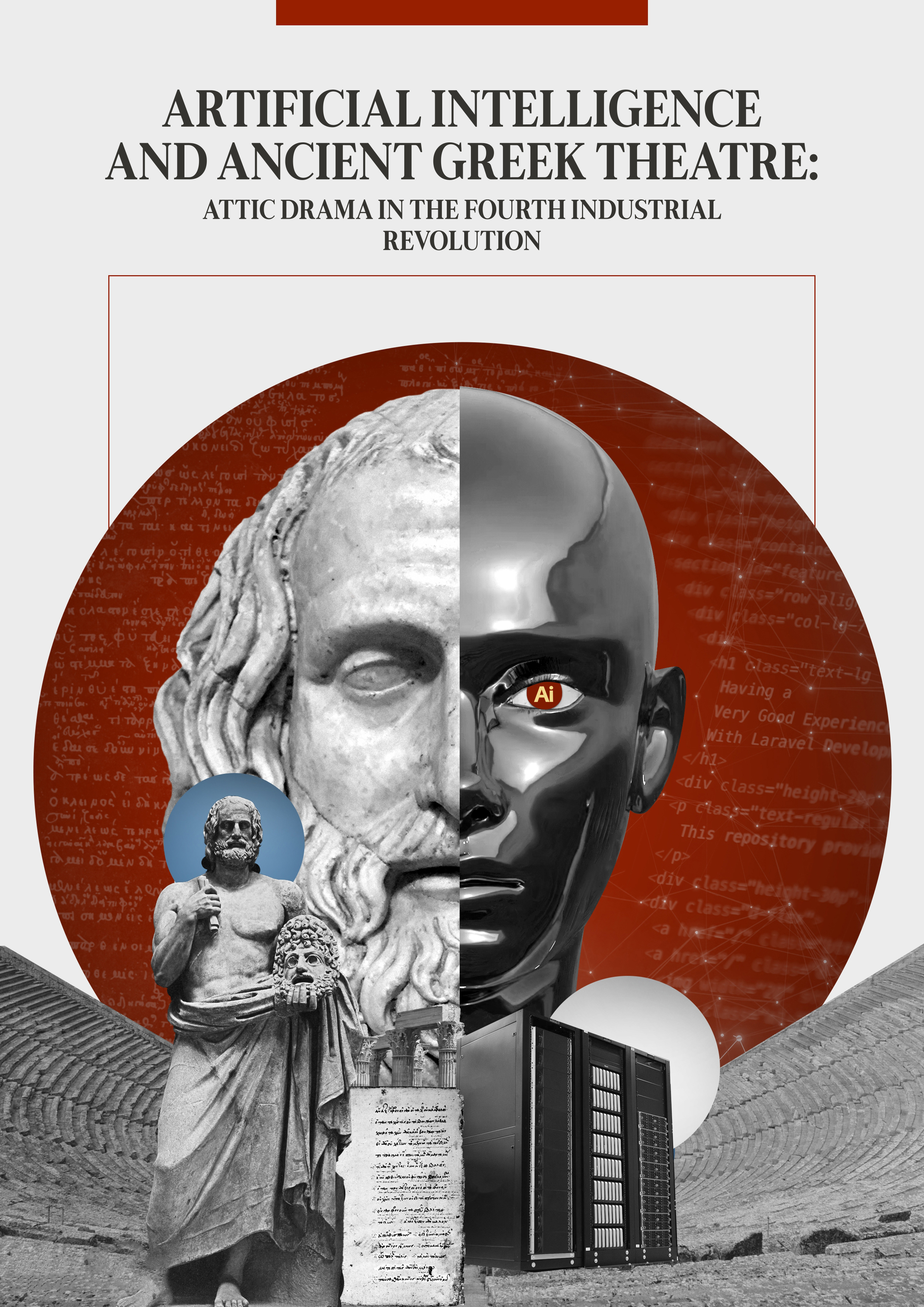
The rapid transformations of the Fourth Industrial Revolution have intensified debates about artificial intelligence, algorithmic governance and the future of human agency. This article proposes that ancient Attic drama, especially the tragedies of Sophocles and Euripides, provides a vital ethical grammar for interpreting these technological dilemmas. Treating the plays as dynamic modes of thought rather than cultural artefacts, the study develops a model of ‘tragic humanism’ to complement contemporary AI ethics. Through close reading and conceptual synthesis, it identifies four tragic frameworks: truth-seeking, conscientious resistance, mortality, and cognitive burden, that illuminate modern concerns about disinformation, authoritarian optimisation, life extension technologies and mental overload. While not offering direct solutions, this article argues that tragic thought cultivates ethical sensibilities essential for navigating the uncertainties of the algorithmic age and affirms the continuing relevance of classical Greek theatre as a philosophical interlocutor in twenty-first-century technological life.
##plugins.themes.academic_pro.article.details##

This work is licensed under a Creative Commons Attribution 4.0 International License.